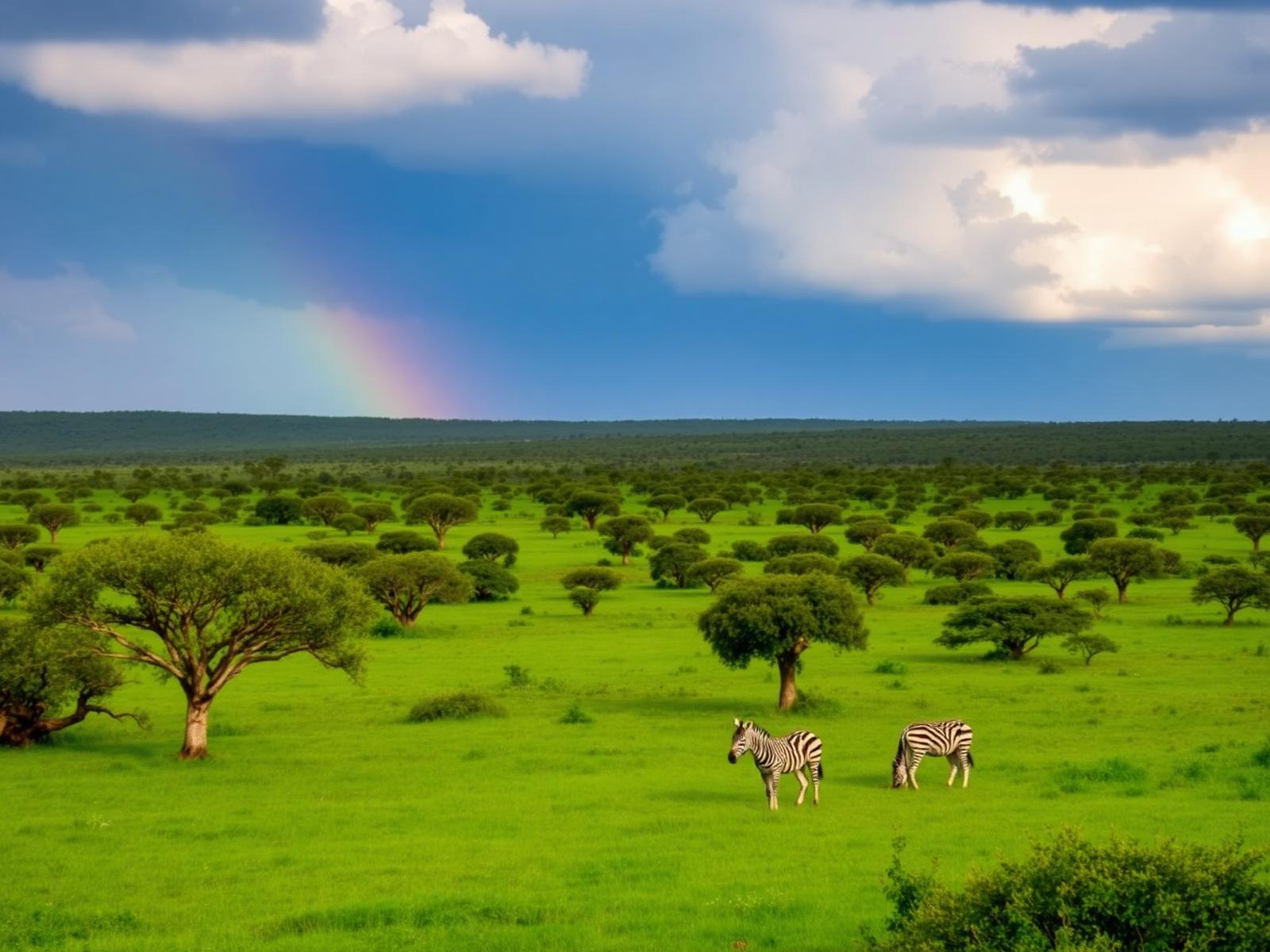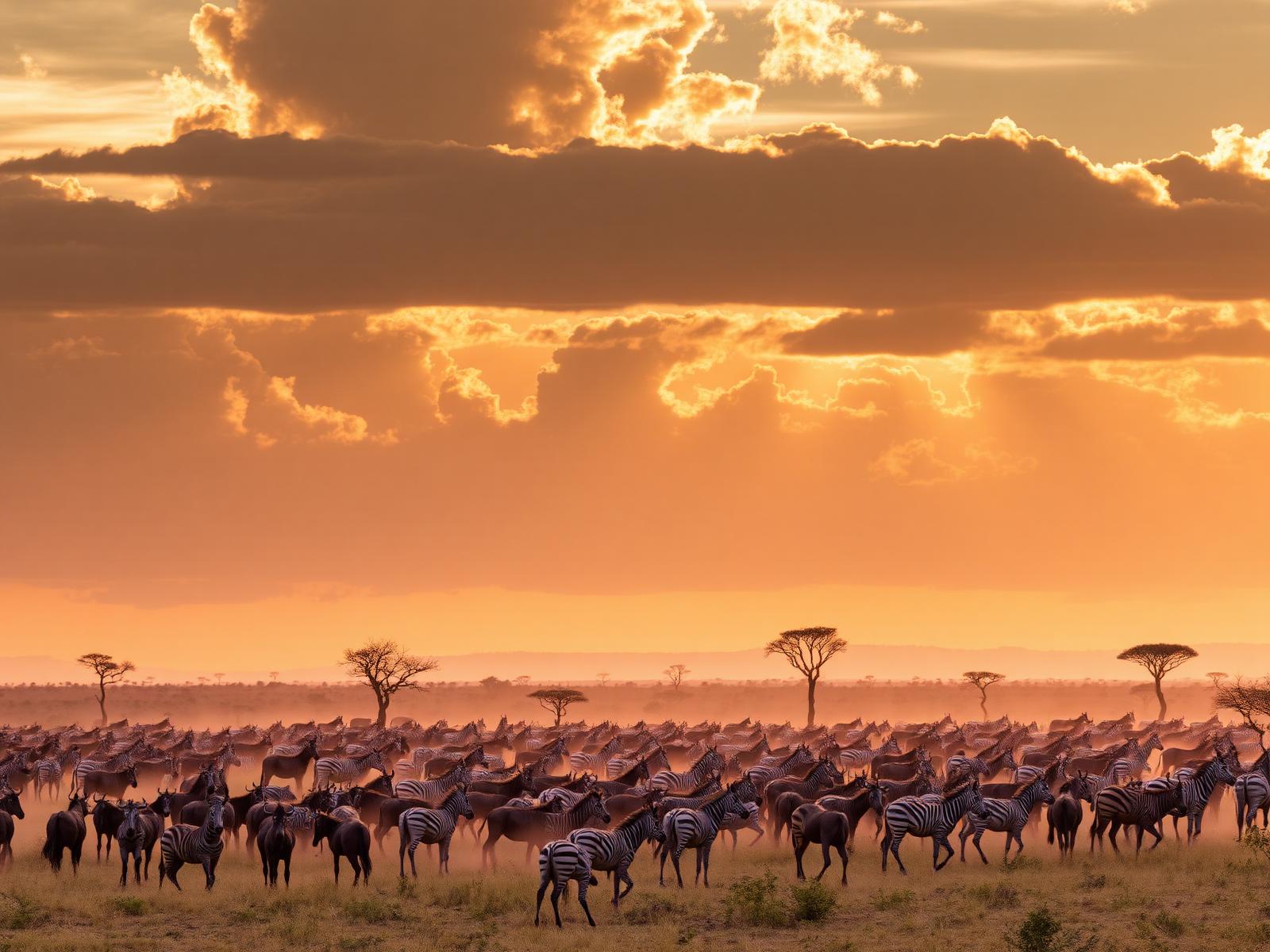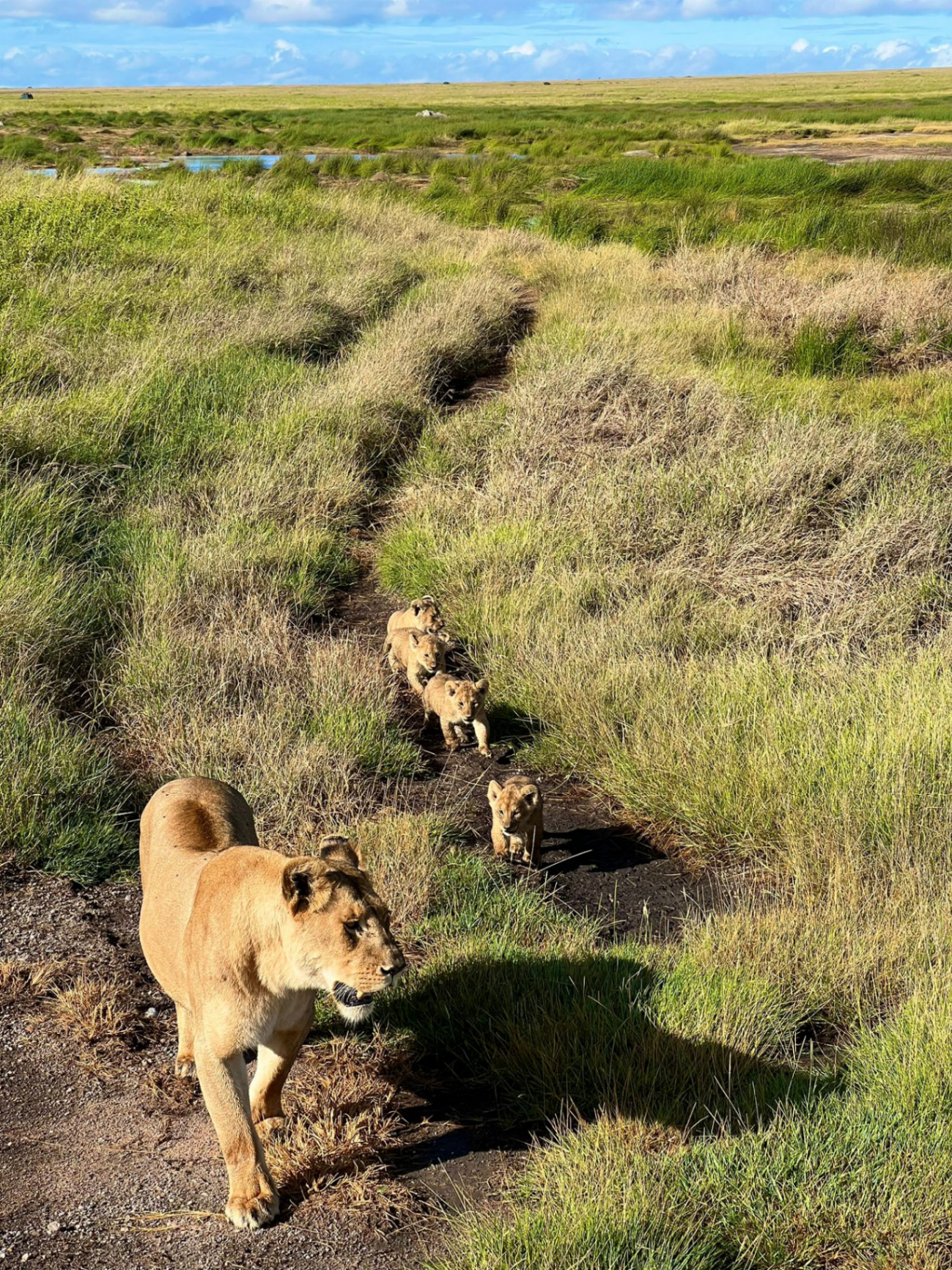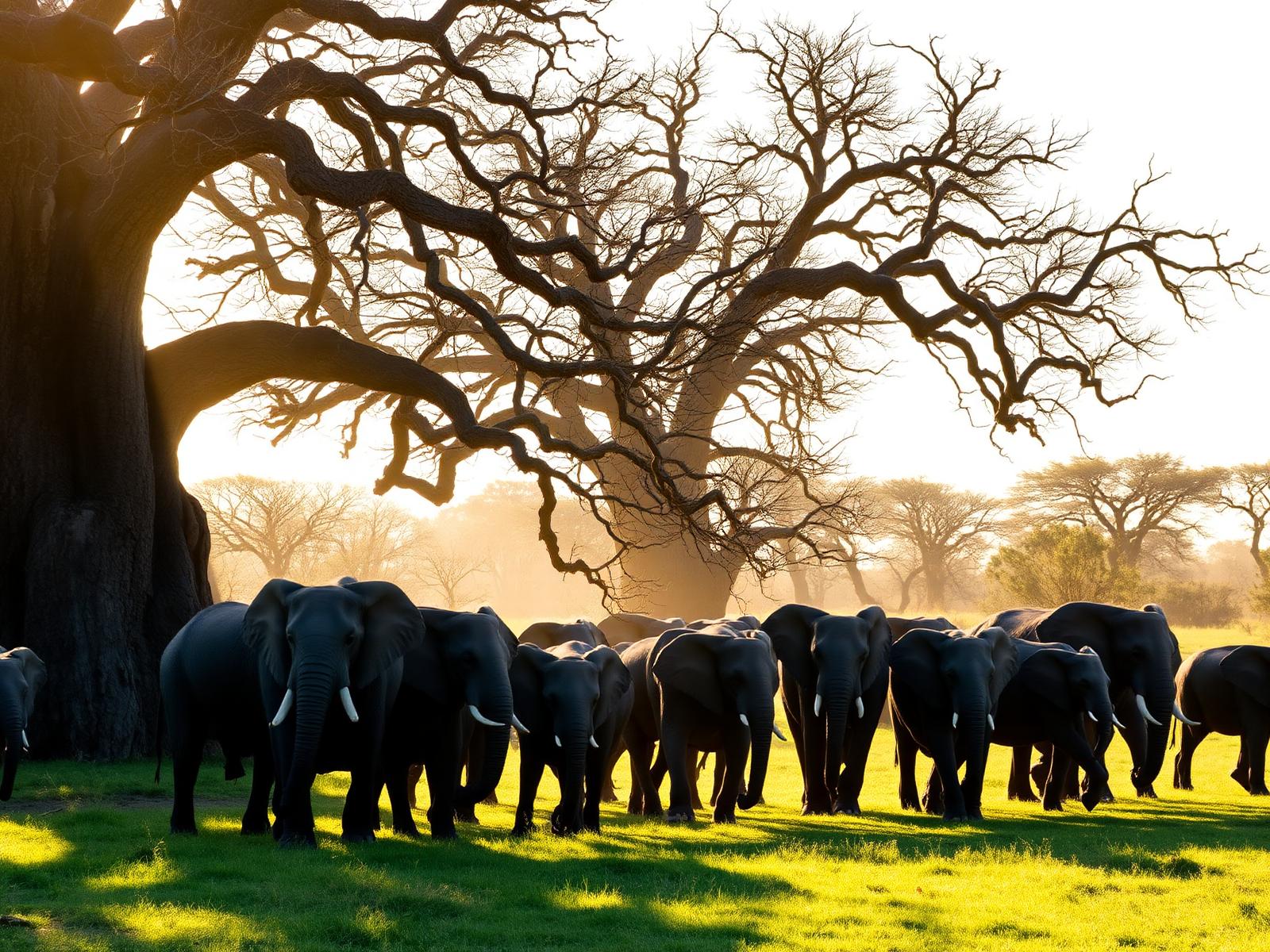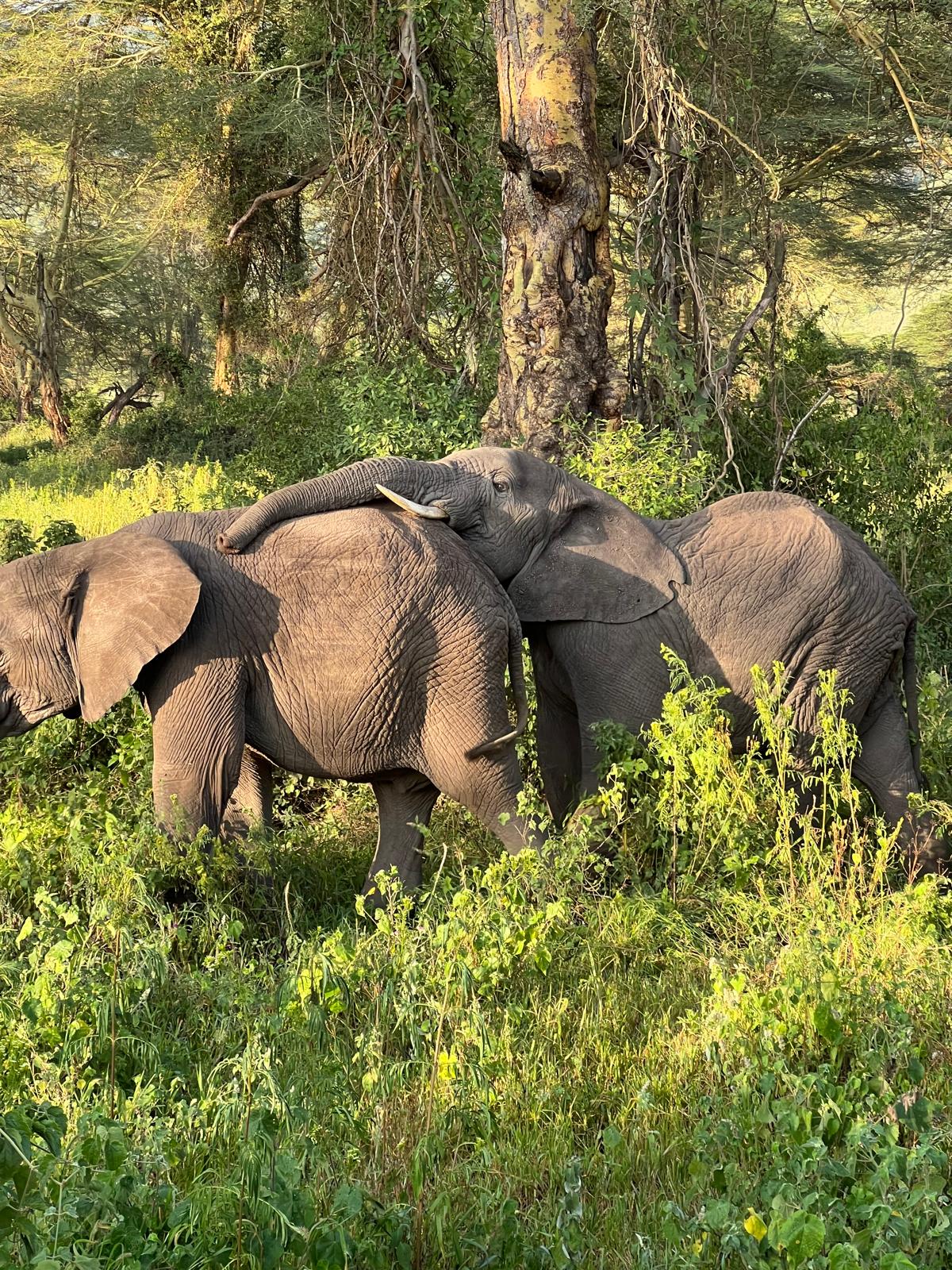
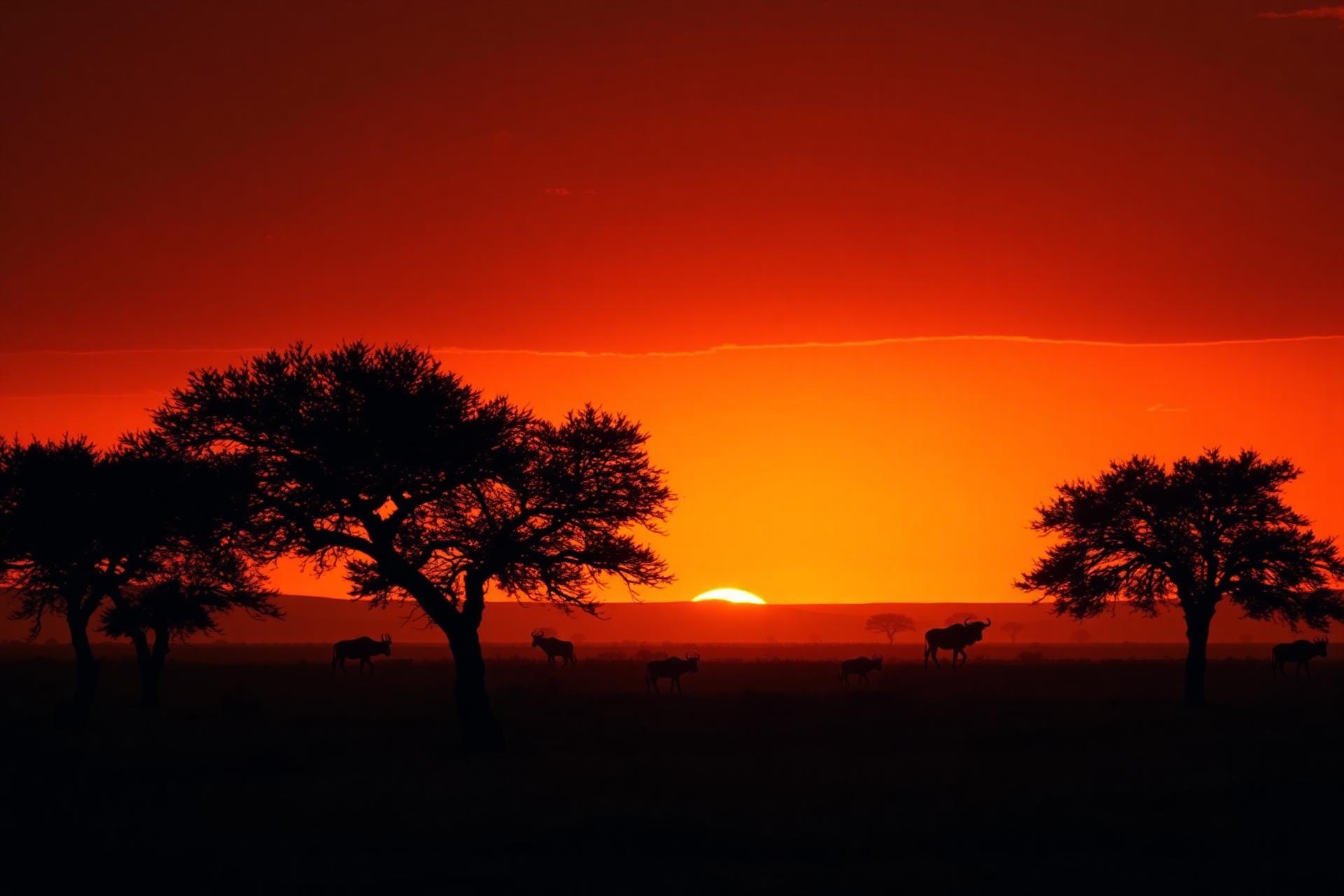
Serengeti grassland at golden hour

The parks we call home

Where Tanzania's wild heart beats.

Each park on a Mashuve circuit has its own character. Serengeti has the sweeping migration. Ngorongoro has the compact Big Five. Manyara has forests and flamingos. Arusha has lakes beneath Mount Meru. Mikumi has wide quiet plains. Your visit directly supports conservation. Park fees, concession contributions and partnerships with local wildlife authorities help protect the landscapes you travel through.

Serengeti National Park

Northern Circuit · 14 763 km²

Serengeti National Park

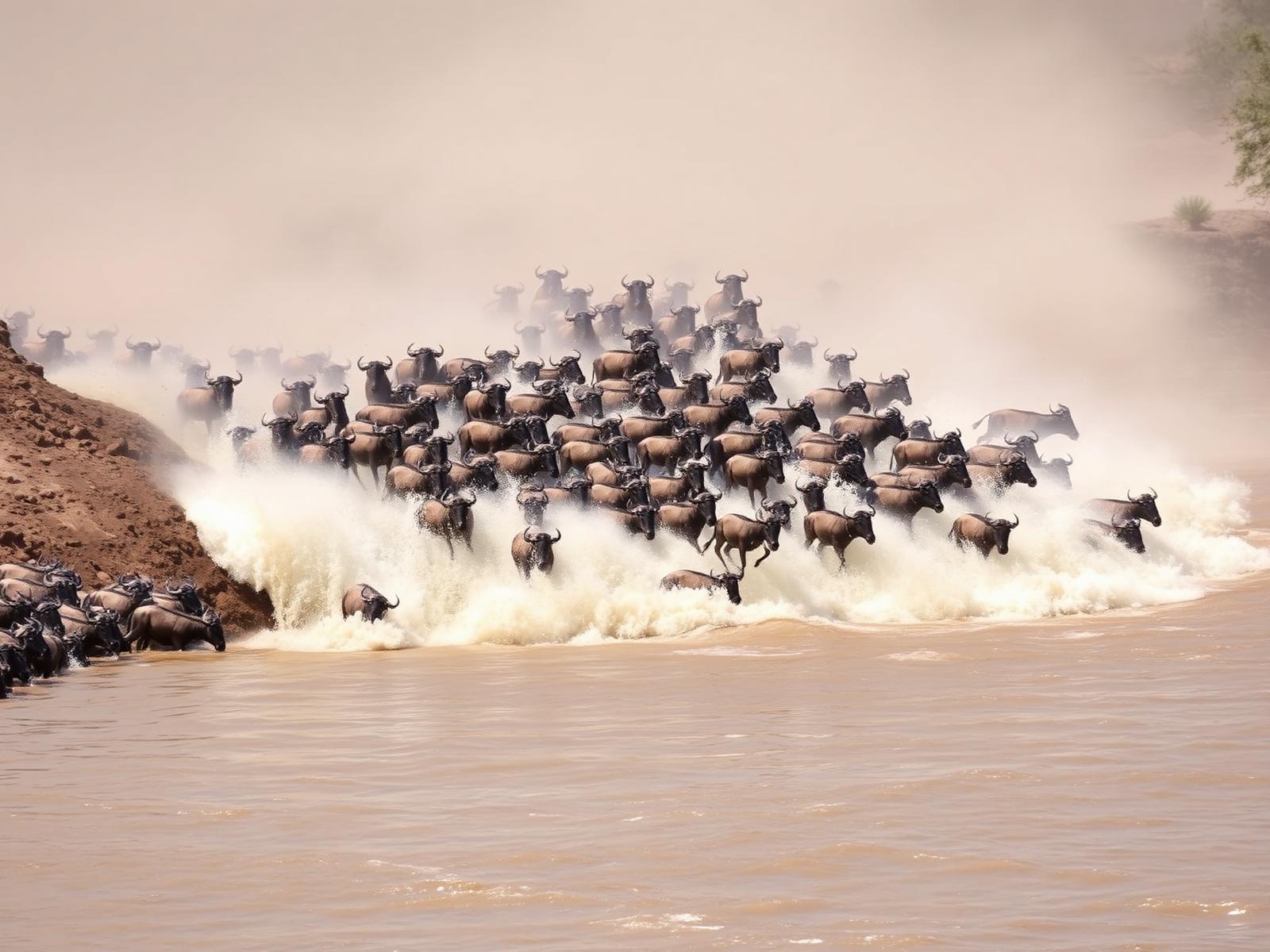
Endless plains. Endless predators. The greatest migration on earth.

Wildlife to watch for

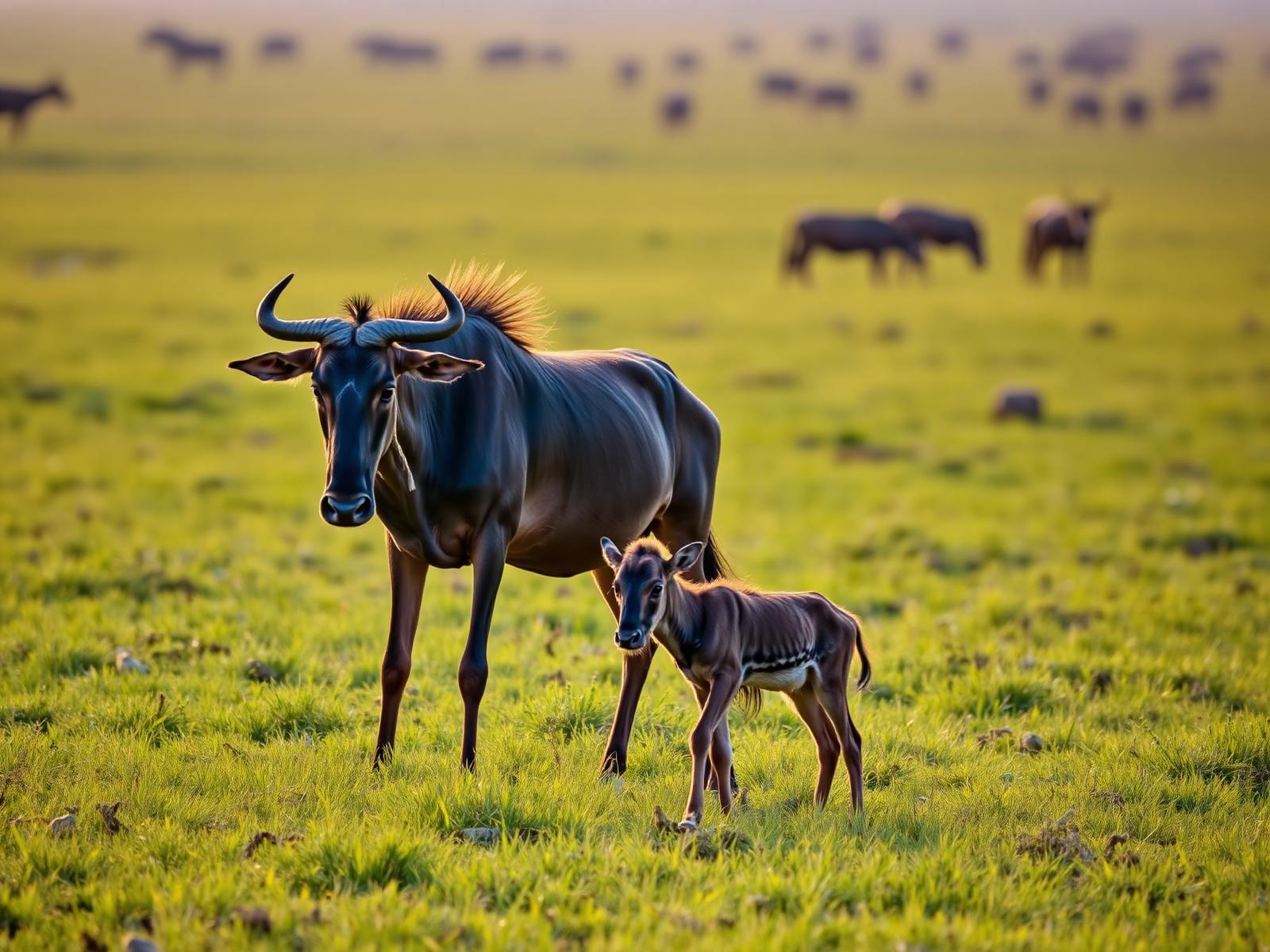
  • Wildebeest (1.5 million in the migration)
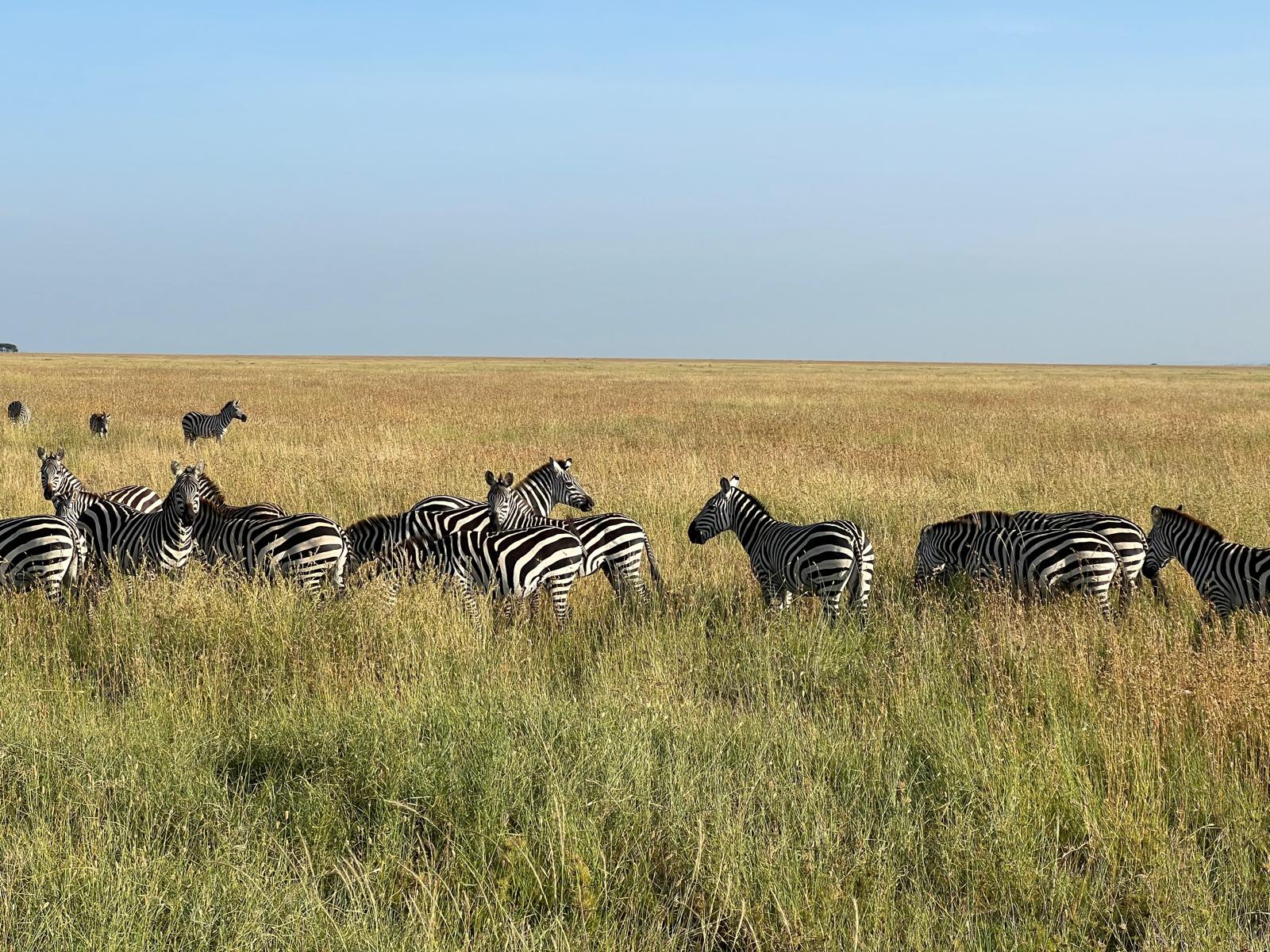
  • Plains zebra
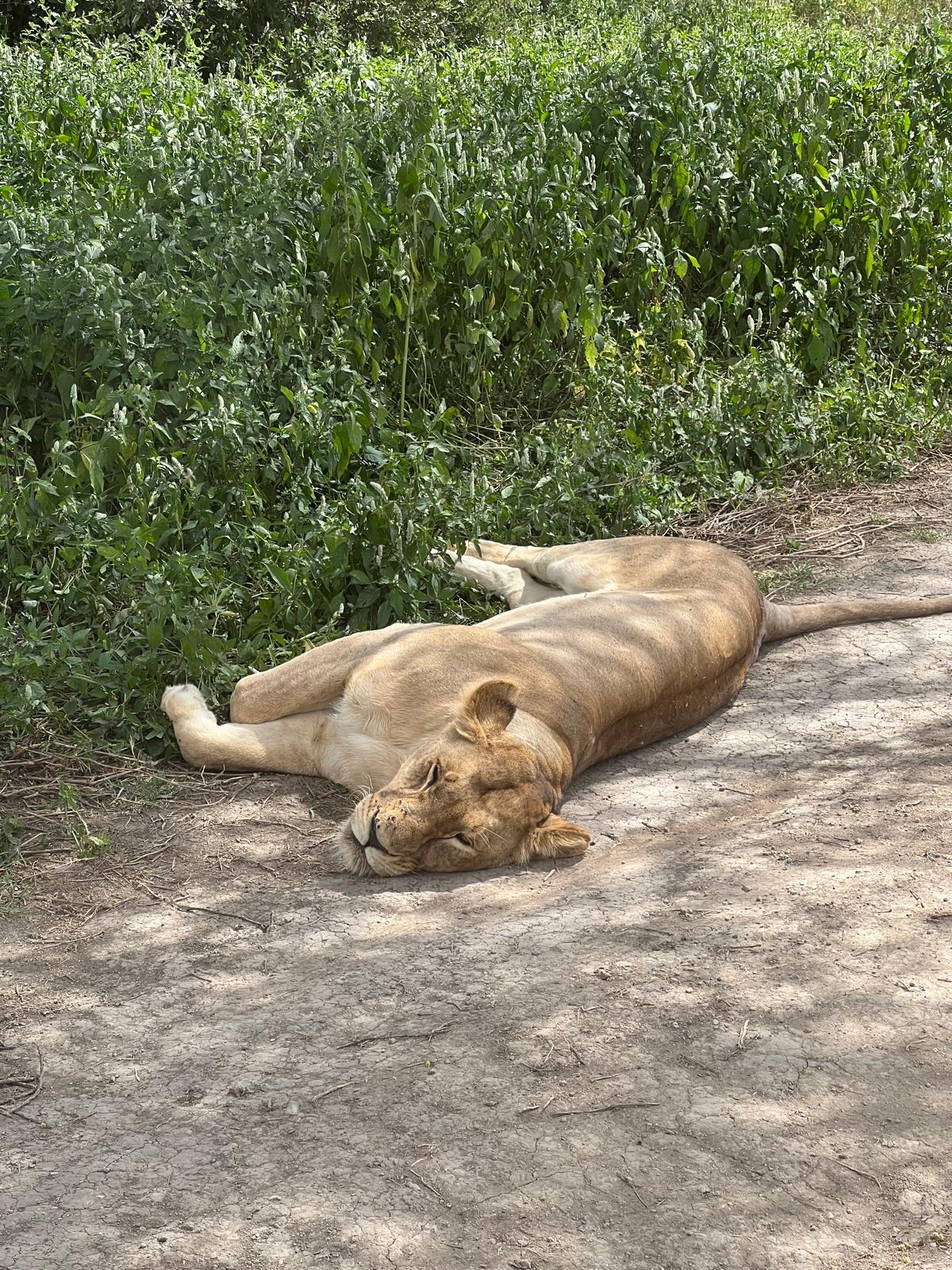
  • African lion
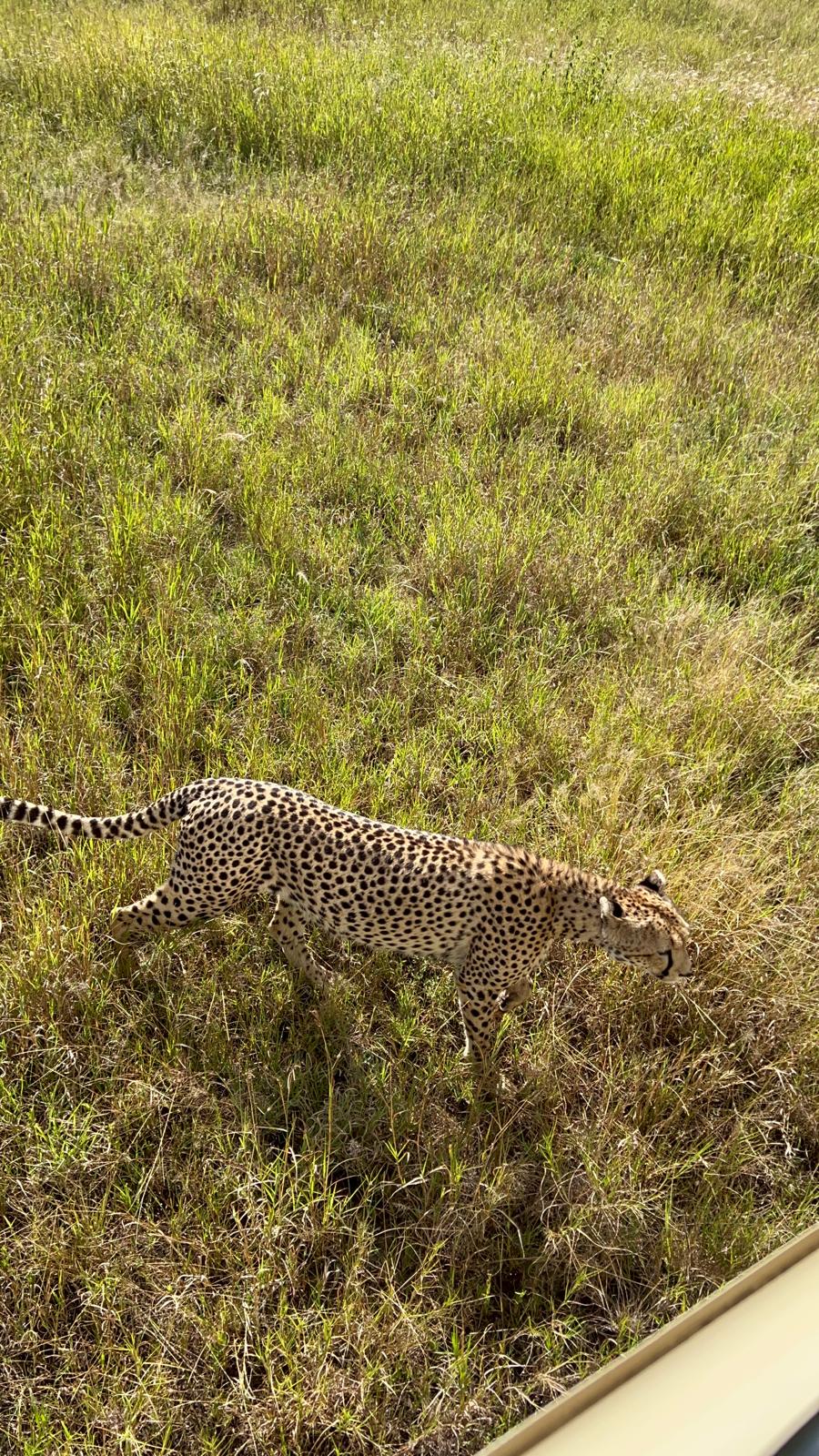
  • Cheetah
  • Leopard
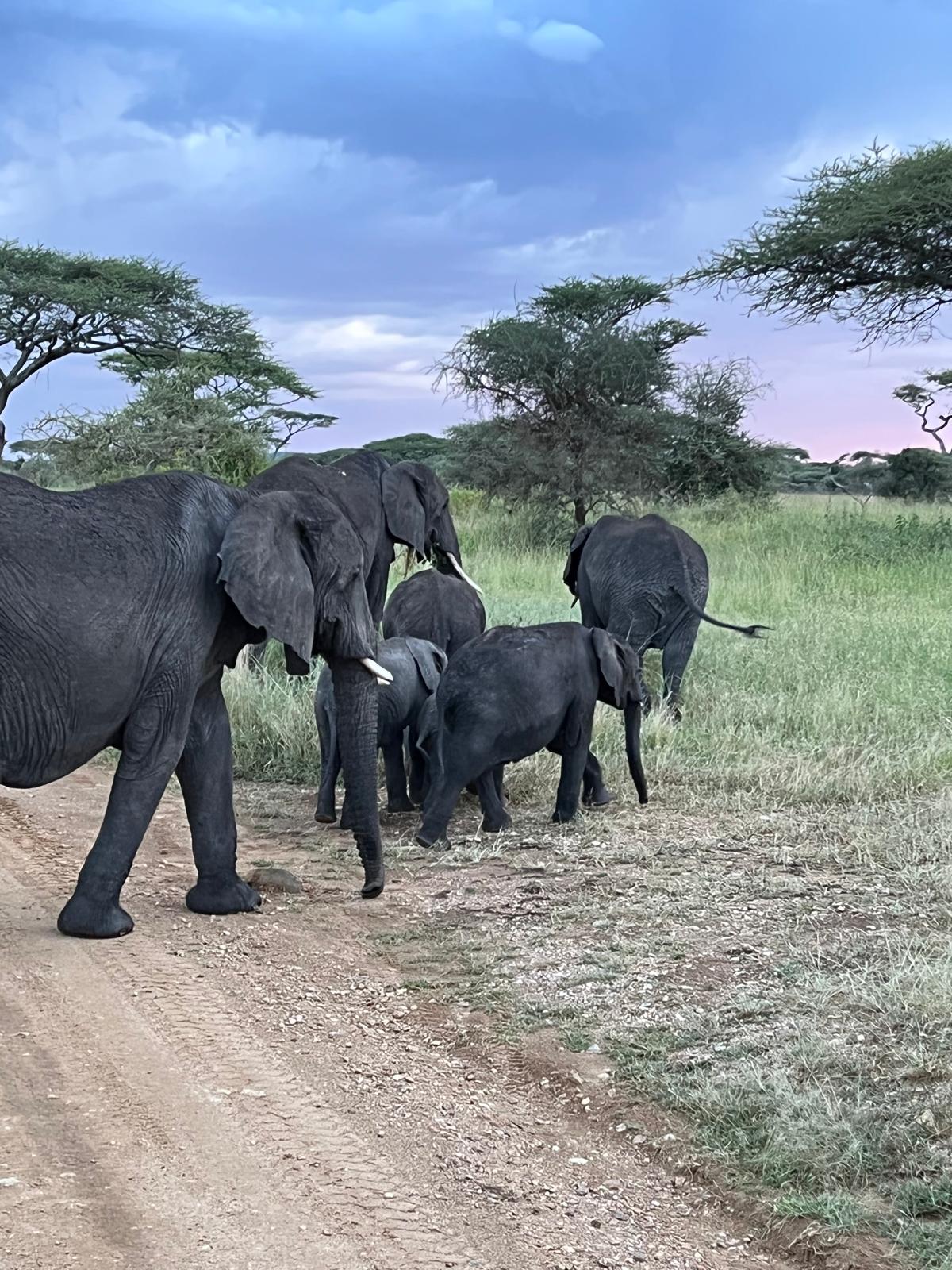
  • African elephant
  • Buffalo
  • Spotted hyena
  • Black-backed jackal
  • Topi, eland, gazelles
  • Hippo and crocodile along rivers

What makes it unique

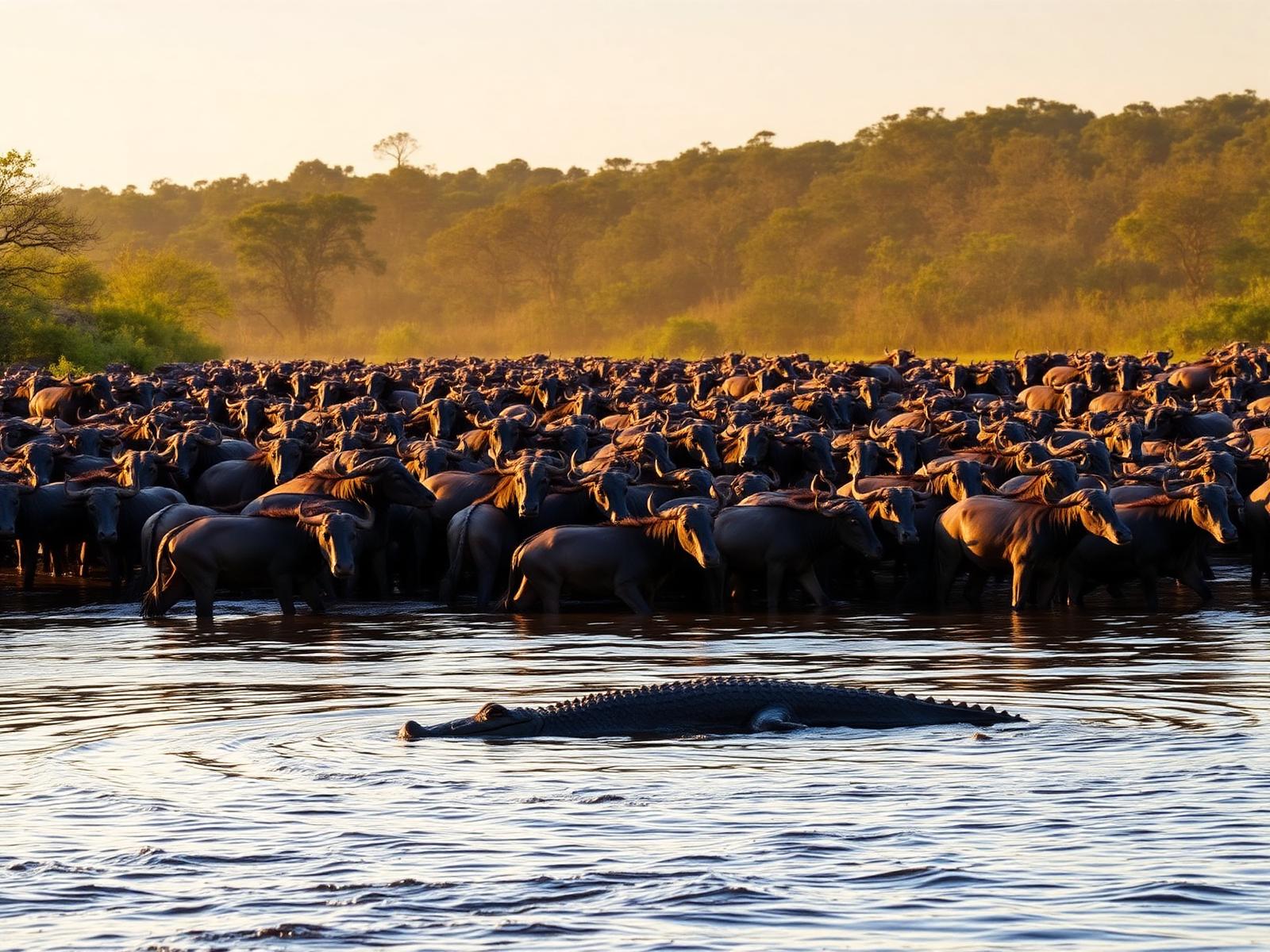
  • The Great Migration is the largest overland mammal migration in the world.
  • Predator density is among the highest in Africa. This is one of the best places to watch lions hunt.
  • Open acacia plains and kopjes give iconic wide-angle game viewing.
  • Best balloon safari landscape in Tanzania at sunrise.
  • Park fees support ecosystem research, anti-poaching patrols and community conservation initiatives.
Ngorongoro Crater

Northern Circuit · 260 km² crater floor

Ngorongoro Crater

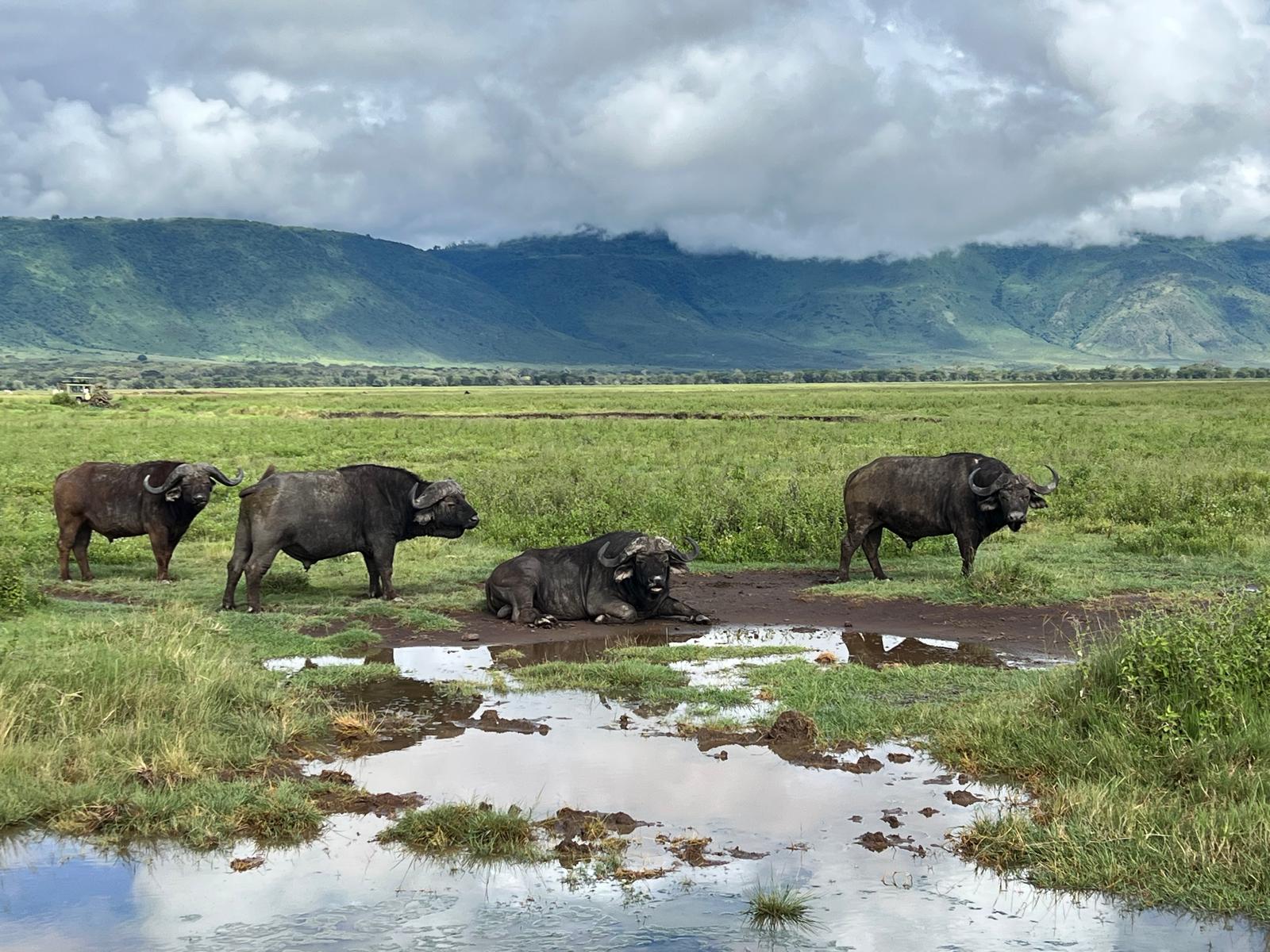
The world's largest inactive volcanic caldera. Big Five country.

Wildlife to watch for

  • Black rhino (one of Tanzania's most reliable sightings)
  • African lion
  • African elephant
  • Cape buffalo
  • Leopard
  • Spotted hyena
  • Wildebeest and zebra (resident herds)
  • Thomson's gazelle
  • Eland
  • Hippo pods in the swamps
  • Flamingos at Lake Magadi

What makes it unique

  • World's largest intact inactive volcanic caldera. A self-contained ecosystem.
  • Big Five are present year-round. The most reliable single-day safari destination.
  • Maasai live and graze livestock on the crater rim. Wildlife and culture meet here.
  • Dramatic 600 m descent through forested walls at dawn.
  • Conservation fees help preserve the fragile ecosystem and support Maasai pastoralist coexistence projects.
Lake Manyara National Park

Northern Circuit · 330 km²

Lake Manyara National Park

Rift Valley escarpment. Groundwater forest. Tree-climbing lions.

Wildlife to watch for

  • Tree-climbing lion (a famous Manyara specialty)
  • African elephant
  • Hippo
  • Buffalo
  • Baboon troops
  • Blue monkey
  • Giraffe
  • Zebra
  • Wildebeest
  • Flamingos (seasonal, in thousands)
  • Pelicans, cormorants, storks. Over 400 bird species

What makes it unique

  • Groundwater mahogany forest and hot springs create a lush green micro-climate.
  • Tree-climbing lions are a signature sight. Not guaranteed but Manyara is one of the best places to try.
  • The pink-fringed alkaline lake and the 400 m Rift Valley escarpment form a dramatic backdrop.
  • Compact size means a half-day safari delivers a full range of habitats and species.
  • Park revenue funds groundwater forest protection and Rift Valley habitat restoration.
Arusha National Park

Northern Circuit · 552 km²

Arusha National Park

Mount Meru. Momella Lakes. Rainforest canoe safaris.

Wildlife to watch for

  • Black-and-white colobus monkey
  • Blue monkey
  • Giraffe
  • Zebra
  • Wildebeest
  • Buffalo
  • Warthog
  • Flamingo
  • Hippo
  • Dik-dik
  • Forest birds (turacos, hornbills)

What makes it unique

  • Canoe safari on Momella Lakes. Paddle quietly past giraffe, buffalo and flamingos.
  • Mount Meru (4 566 m) is Tanzania's second-highest peak. It rises from the heart of the park.
  • Dense rainforest on the slopes gives the best black-and-white colobus monkey viewing in the region.
  • Perfect soft-start or final-day safari. Only 40 minutes from Arusha town.
  • Entrance fees protect the montane forest, Momella Lakes wetlands and the rare colobus population.
Mikumi National Park

Southern Circuit · 3 230 km²

Mikumi National Park

The Serengeti of the south. Open floodplains without the crowds.

Wildlife to watch for

  • African lion
  • Leopard
  • African elephant
  • Buffalo
  • Giraffe
  • Zebra
  • Wildebeest
  • Impala
  • Sable antelope
  • Greater kudu
  • Wild dog (occasionally)
  • Hippo and crocodile in the Mkata River

What makes it unique

  • The Mkata floodplain is nicknamed the mini-Serengeti for its similar grassland ecology.
  • Far fewer vehicles than the northern parks. A quieter and more private safari experience.
  • Excellent road access from Dar es Salaam. Ideal for travellers entering or leaving via the coast.
  • Wild dogs and sable antelope sightings are possible. These species are rare in the north.
  • A lighter footprint and fewer visitors help protect the Mkata River catchment and surrounding wildlife corridors.
Tarangire National Park

Northern Circuit · 2 850 km²

Tarangire National Park

Ancient baobabs, giant elephant herds and the Tarangire River lifeline.

Wildlife to watch for

  • African elephant (some of the largest herds in Tanzania)
  • African lion
  • Leopard
  • Cheetah (occasional)
  • Cape buffalo
  • Giraffe
  • Zebra and wildebeest (dry-season concentrations)
  • Fringe-eared oryx
  • Gerenuk
  • Lesser kudu
  • Over 550 bird species — including yellow-collared lovebird

What makes it unique

  • Iconic baobab-dotted landscape unlike any other Tanzanian park.
  • In the dry season (June–October) the Tarangire River draws one of the densest elephant populations in East Africa.
  • Home to dry-country specials — oryx, gerenuk and lesser kudu — rarely seen elsewhere on the northern circuit.
  • One of the top birding parks in Africa, with over 550 recorded species.
  • Park fees support elephant corridor protection between Tarangire, Manyara and the Maasai Steppe.
Selous Game Reserve (Nyerere National Park)

Southern Circuit · 30 000+ km²

Selous Game Reserve (Nyerere National Park)

Africa's largest protected wilderness. Boat safaris on the Rufiji River.

Wildlife to watch for

  • African elephant
  • African lion
  • Leopard
  • African wild dog (one of the largest populations in Africa)
  • Cape buffalo
  • Hippo (huge pods in the Rufiji)
  • Nile crocodile
  • Giraffe
  • Sable antelope
  • Greater kudu
  • Waterbuck and reedbuck

What makes it unique

  • A UNESCO World Heritage Site and one of the largest faunal reserves on earth.
  • Boat safaris on the Rufiji River — a rare way to view wildlife from the water.
  • One of the last strongholds for the endangered African wild dog.
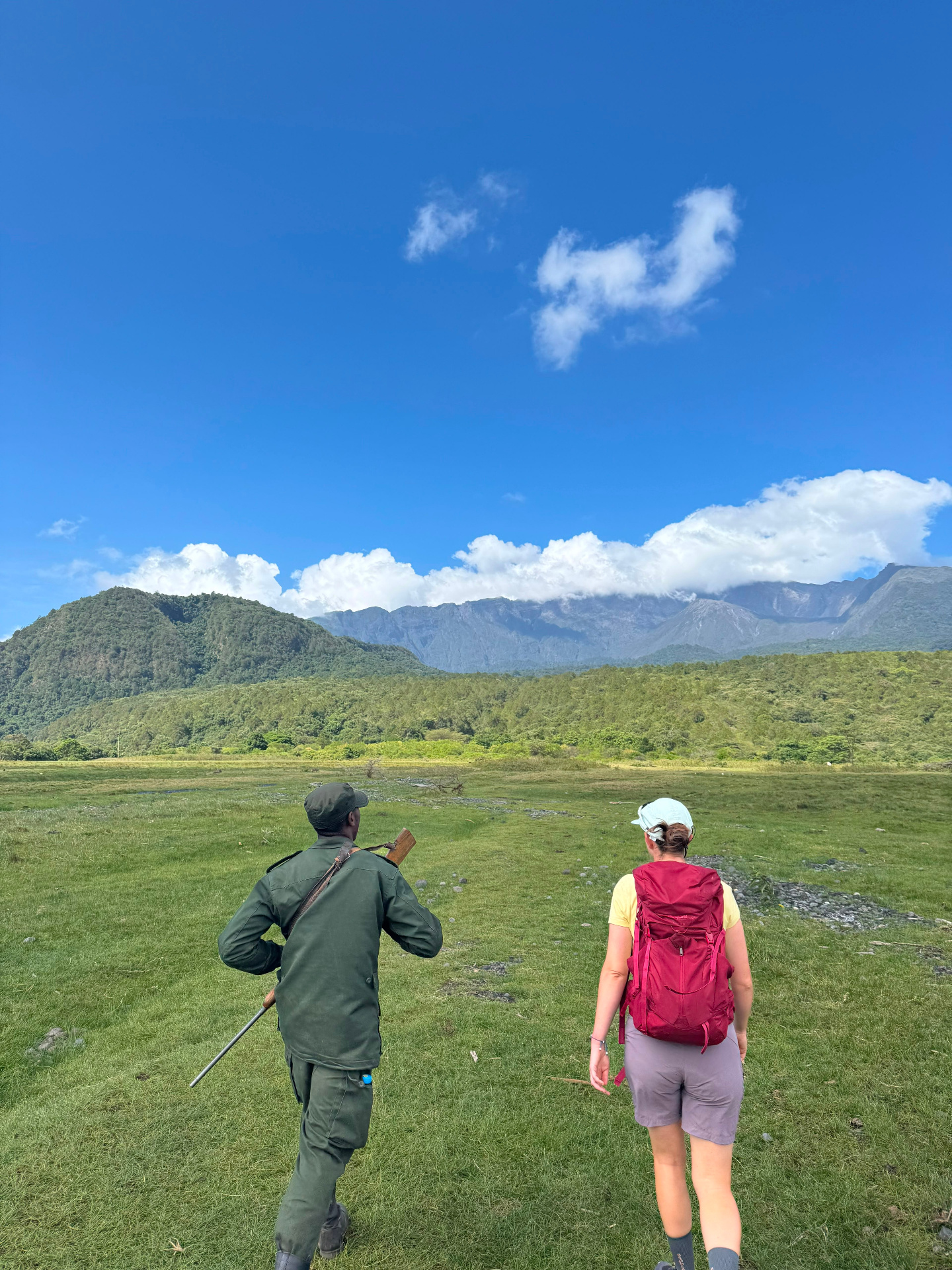
  • Walking safaris with armed rangers are permitted here, unlike most northern parks.
  • Remote, low-traffic wilderness — you can drive for hours without seeing another vehicle.

From the field

Moments our guests brought home.

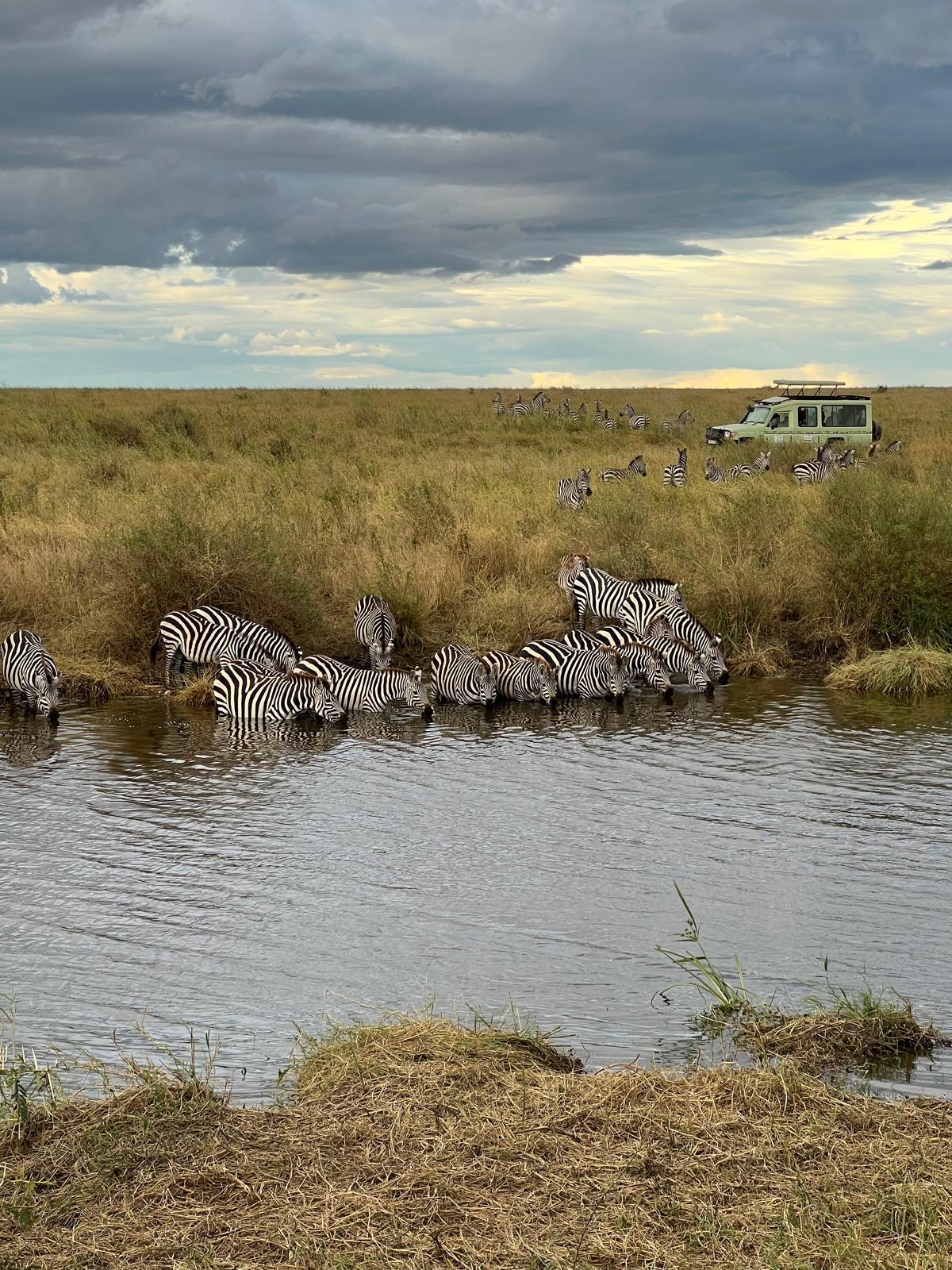
Zebras drinking at a Serengeti waterhole with a safari vehicle in the distance
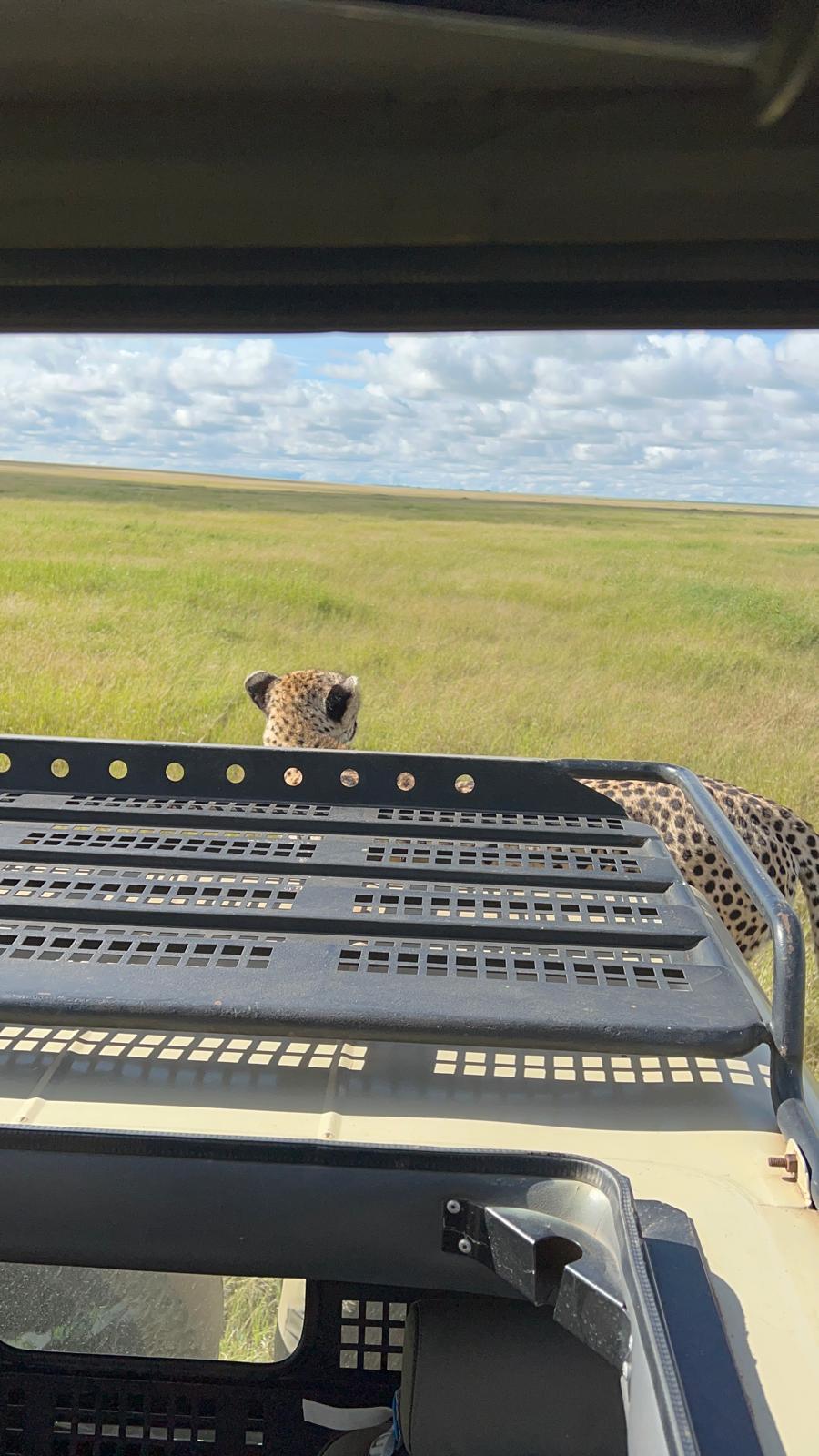
Cheetah peeking over a safari vehicle roof rack in the Serengeti
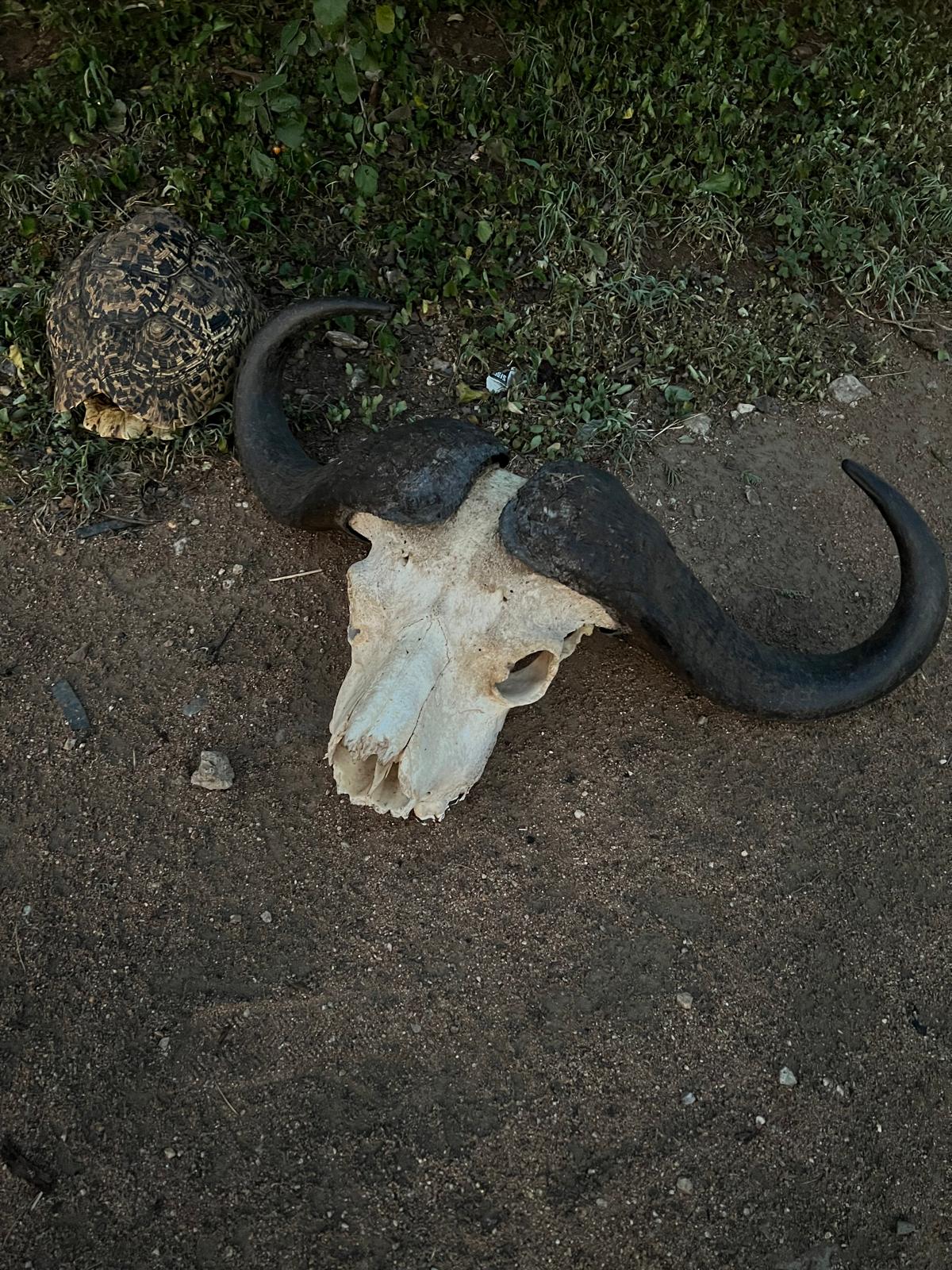
Buffalo skull and leopard tortoise resting side by side on the savanna
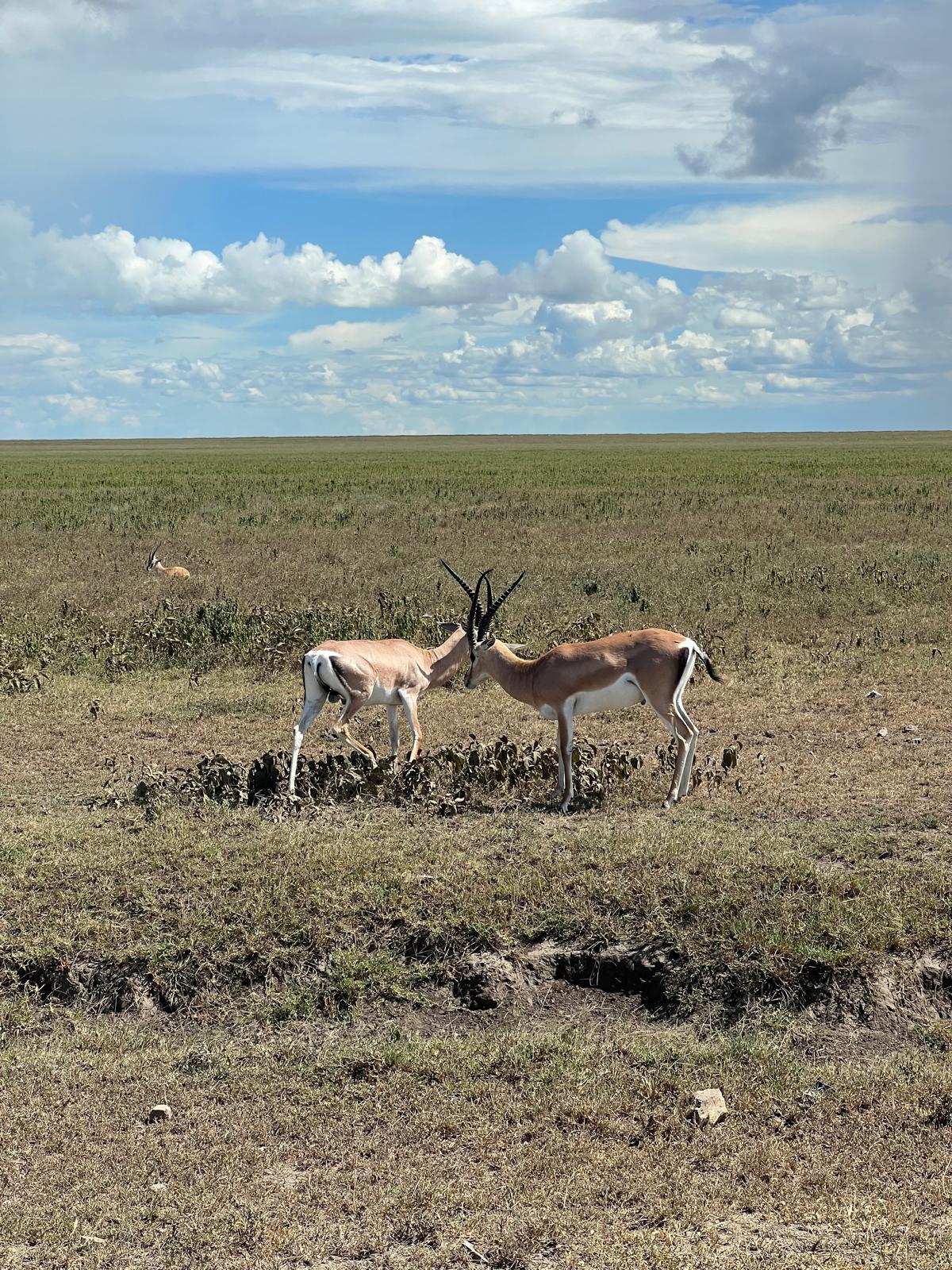
Two impalas grazing on the Ngorongoro Crater floor
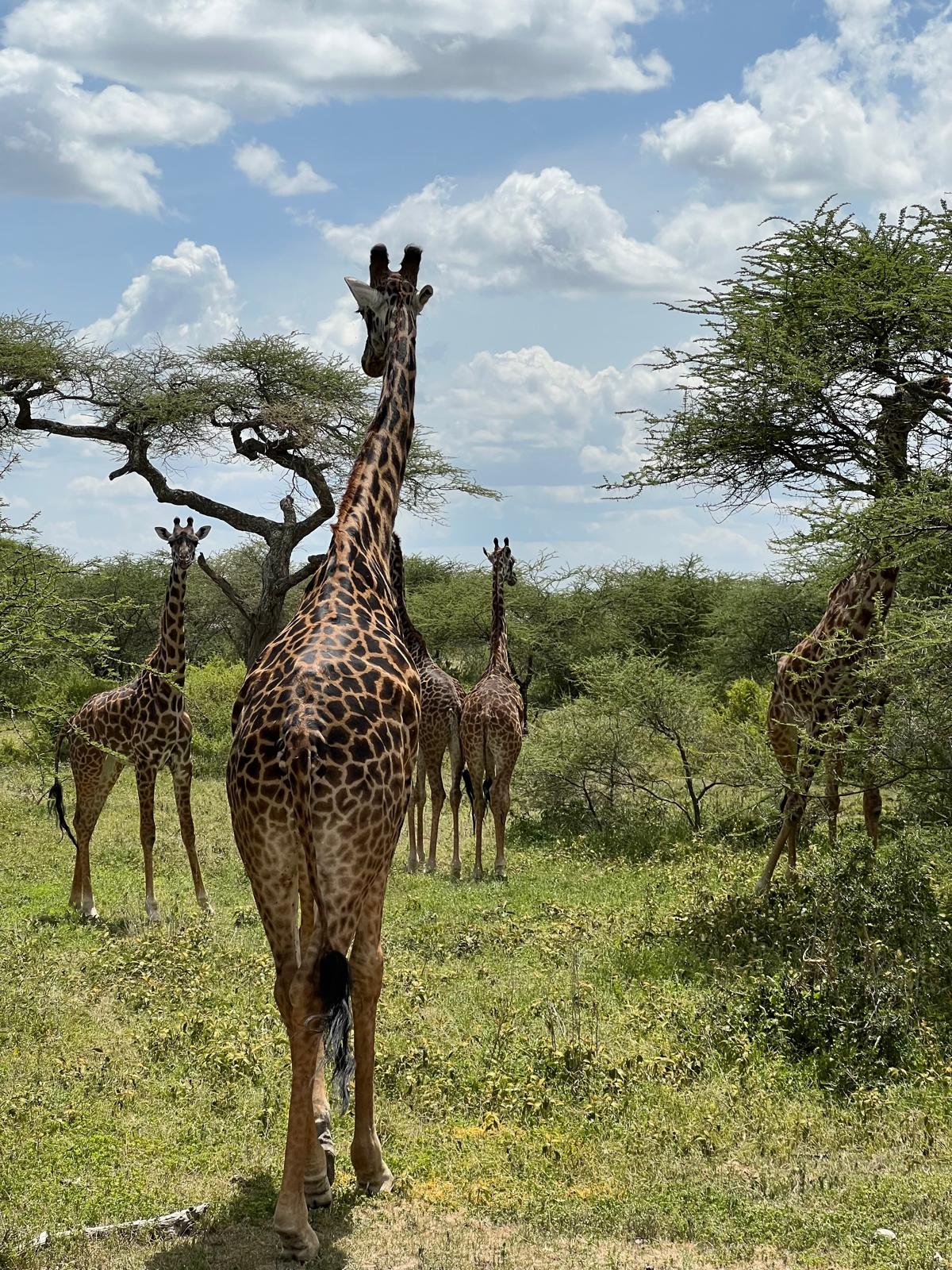
Tower of giraffes in the acacia woodlands of Arusha National Park

Build your circuit

Combine these parks into one safari.

We can link the northern parks by road or light aircraft. Add a Mikumi extension from Dar. Or weave in treks, city tours and cultural visits between game drives.

Plan your itinerary